What a Mortise Lock Actually Is — and Why Commercial Doors Rely on Them
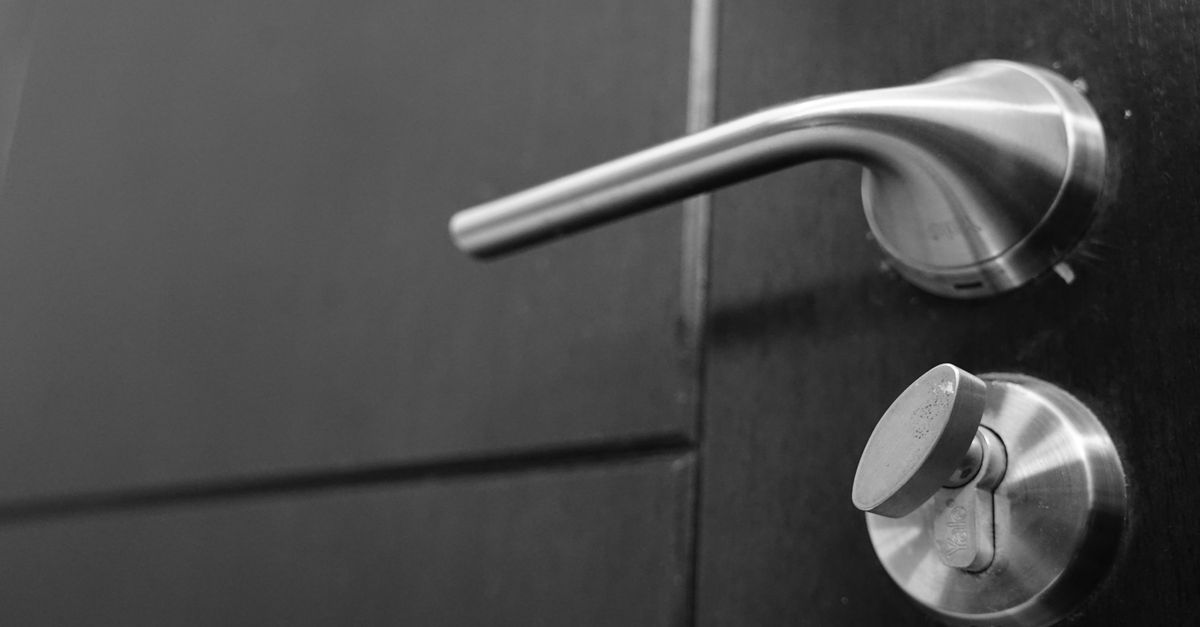
A mortise lock is a lock assembly that sits inside a rectangular pocket — the mortise — cut into the edge of a door, rather than through a round hole bored in the face. That interior pocket lets the manufacturer fit a much more robust mechanism: a latch bolt, a deadbolt, a hub, cams, levers, and an anti-rotation plate, all within a single steel case. Because the lock body is recessed and surrounded by door material on every side, the assembly is far more resistant to kick-in and pry attacks than a standard cylindrical lock. That structural advantage is exactly why building codes and commercial lease requirements so often call for a mortise lock set on exterior doors and high-traffic interior doors.
The mortise lock cylinder — the removable plug that accepts your key — is a separate, field-replaceable component. That matters enormously for businesses: when an employee leaves, when keys are lost, or when a cylinder simply wears out from thousands of daily turns, a trained technician can rekey or swap the cylinder without replacing the entire lockset. On premium hardware such as a Corbin Russwin mortise lock or a Baldwin mortise lock, the body itself is built to last decades, so targeted cylinder service is almost always the smarter and more practical call than a full replacement.