Home Locks Are Small Until They Aren't — Signs Your Door Knob Lock Needs Replacing
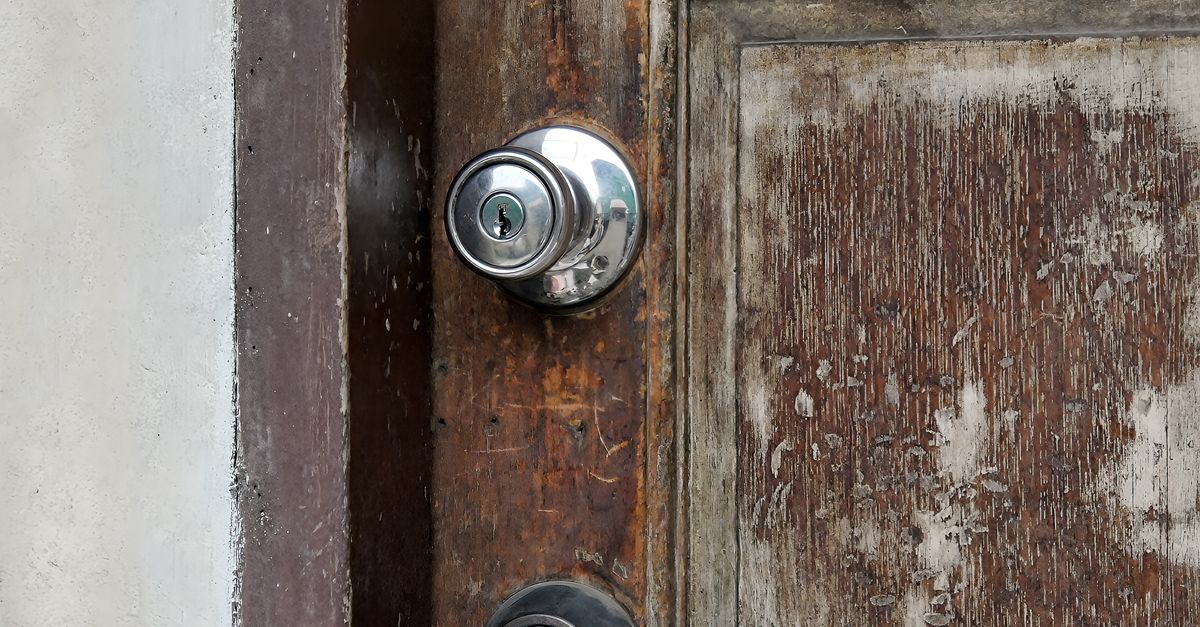
A sticky latch you can muscle through today often becomes a lock that simply will not retract tomorrow. Common warning signs include a knob that wobbles excessively in its collar, a key that requires heavy lifting or jiggling to turn, a latch bolt that no longer seats fully in the strike plate, or visible corrosion and scoring on the cylinder face. Interior knobs — especially a door knob with lock for a bedroom or bathroom — wear faster than people expect because they get operated dozens of times a day. When the privacy mechanism stops holding, the door offers neither the safety nor the peace of mind it should. Entry-door failures are more urgent still: a knob lock on a front or back door that is compromised leaves a real gap in your home's first line of defense.
Older construction in North Brunswick Township, particularly homes built along the New Brunswick border or in established neighborhoods off Hermann Road, sometimes features non-standard door prep — unusual backsets, thick stile widths, or legacy mortise lock housings recessed into the door edge. A mortise lock is a more complex unit than a standard bored knob set: the rectangular lock body drops into a pocket cut into the door, and replacement requires matching the pocket dimensions, spindle height, and trim style precisely. Our technicians measure all of these before ordering or cutting anything, which is why we are able to complete the work without damaging the door itself.