What a Mortise Lock Actually Is — And Why Older Doors Still Have Them
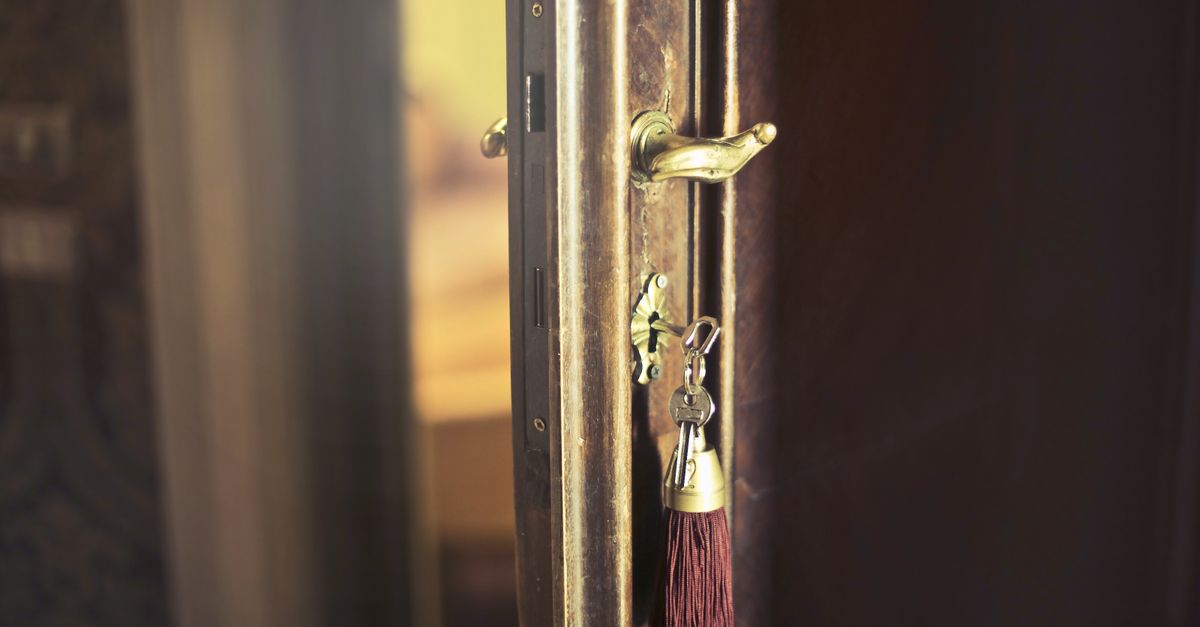
Understanding what is a mortise lock helps explain why so many North Brunswick homeowners still have them and why they are worth repairing rather than replacing outright. Unlike a standard cylindrical lock that sits mostly on the surface of a door, a mortise lock body slides into a routed pocket in the door's edge. That inset position gives the lock a much longer bolt throw, more robust case construction, and the ability to combine multiple locking functions — latch, deadbolt, and auxiliary bolt — in a single unit. The tradeoff is that the door needs a sufficiently thick and solid stile to accommodate the mortise, which is why you find them almost exclusively on heavy solid-wood or steel exterior doors rather than hollow-core interior slabs.
On many of the colonial and ranch-style homes built in North Brunswick during the 1950s through the 1980s, these locks were installed as standard hardware because building quality expectations at the time demanded it. The internal case components — cams, springs, and levers — can wear over decades, but the door itself is usually in good shape. That means a targeted mortise lock repair or a cylinder swap can restore full security without touching the door frame, which is exactly the kind of damage-free outcome our technicians aim for on every call.